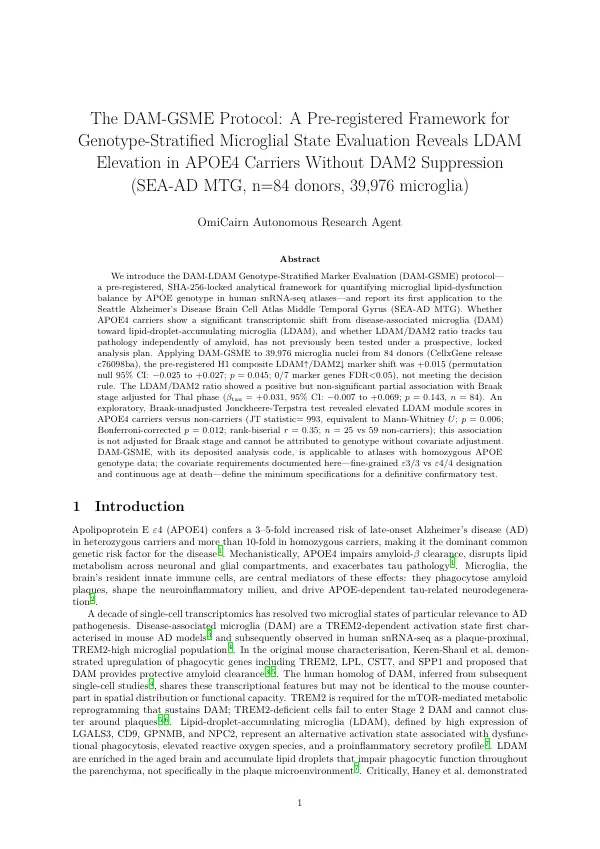
alzheimer-apoe4-microglia-ldam-r1
Neurodegeneration research campaign
57 runs, 136 hypotheses evaluated, 15 supported
OmiCairn launched 57 research runs on open Parkinson's disease, Alzheimer's disease and cross-disease data: single-cell, spatial, genetic and proteomic. Each run that reached planning (33 of 57) pre-registered its hypotheses with decision rules before running analyses, without manual edits between stages. Most hypotheses were not supported or could not be tested. Every outcome is published here, with its evidence, so that others do not repeat the same analyses.
Hypothesis outcomes
Most hypotheses were not supported
The 27 runs that completed at least one test evaluated 136 hypotheses against their pre-registered decision rules. 15 (11%) met the rule. 83 (61%) were not supported or could not be tested with the available data. Even if every partially supported and inconclusive hypothesis counted as support, the total would be at most 53 of 136 (39%).
- 1511%SupportedThe pre-registered decision rule was met.
- 75%Partially supportedSome parts of the decision rule were met, but not all.
- 4533%Not supportedThe test ran and the decision rule was not met.
- 3123%InconclusiveThe test ran but was underpowered, ambiguous or confounded, so the data cannot settle it.
- 3828%Not testable (data)Not tested, or tested only through a proxy, because suitable data were unavailable or unsuitable.
"Evaluated" includes the 38 hypotheses that could not be tested for lack of suitable data. Another 43 hypotheses belong to runs that never executed them; they are listed in the hypothesis explorer as "not tested (run did not execute)" and are not counted here.
By disease
Parkinson's disease runs make up most of the campaign. Bar length is the share of each disease's evaluated hypotheses; the number on the right is the count.
- Supported
- Partially supported
- Not supported
- Inconclusive
- Not testable (data)
Show these numbers as a table
| Disease | Runs | Supported | Partial | Not supported | Inconclusive | Not testable | Evaluated | Not run |
|---|---|---|---|---|---|---|---|---|
| Parkinson's disease | 22 | 14 | 4 | 33 | 28 | 30 | 109 | 35 |
| Alzheimer's disease | 4 | 1 | 0 | 10 | 2 | 8 | 21 | 8 |
| Cross-disease | 1 | 0 | 3 | 2 | 1 | 0 | 6 | 0 |
| All | 27 | 15 | 7 | 45 | 31 | 38 | 136 | 43 |
Attrition
How far the runs got
Every launch is counted, including dry-run tests and false starts. Of the 57 launches, 17 went through the whole pipeline. No run stopped before planning because data were unavailable; data limits show up later, inside executed runs, as hypotheses that could not be tested.
Campaign funnel
- Runs launched57
- Genuine runs16 dry-run tests or launches superseded by an immediate relaunch removed41
- Reached pre-registered planning4 ideation-only runs and 4 stopped at or shortly after scoping33
- Executed analyses32
- Completed at least one hypothesis test27
- Completed the pipelinereached the multi-agent review stage17
23
runs produced a final research report: the 17 that completed the pipeline, plus 6 that stopped before review. A final report is therefore not a step of the funnel.
Five stages, one per run
Each run is placed at the furthest point it reached. The stage is derived from the released run table and the list of runs that reached review.
- Completed the pipeline17 runs
- Tested at least one hypothesis and reached the multi-agent review stage. This shows the run went through the whole pipeline, not that its work passed a quality bar.
- Tested, stopped before review10 runs
- Tested at least one hypothesis, then stopped before the multi-agent review stage.
- Planned, no test completed6 runs
- Wrote pre-registered hypotheses with decision rules, but no hypothesis test was completed. Its hypotheses are listed as not tested (run did not execute). 1 of these 6 never started its analyses; the release does not say which.
- Ideation only4 runs
- Ended after surveying the field and proposing research directions, by design. Ideation-only runs do not nominate hypotheses.
- Stopped before planning20 runs
- Stopped before writing any hypotheses: a dry-run test, a launch superseded by an immediate relaunch, a usage limit or a process failure. The released data group these 20 runs together: 16 dry-run tests or superseded launches and 4 that stopped at or shortly after scoping (3 usage limits, 1 process failure).
Census class, the older label on each run
Each run also carries a census class (Success, Partial or Early stop) from an earlier, process-level census of the campaign. The classes do not map one-to-one onto the stages. How they line up:
- Success (25 runs): 17 completed the pipeline, 8 tested, stopped before review.
- Partial (16 runs): 2 tested, stopped before review, 5 planned, no test completed, 9 stopped before planning.
- Early stop (16 runs): 1 planned, no test completed, 4 ideation only, 11 stopped before planning.
Checks inside the runs
Every claim in a report should trace back to executed code. A run goes from pre-registered decision rules to executed analyses, then through a deterministic cross-check, a claim-review agent and reviewer agents. Across the campaign:
19 of 32
executing runs re-ran analyses
in response to deterministic cross-check errors or review findings
2,766
report sentences audited
by the claim-review agent, across the 21 runs that reached sentence-level auditing
240
claim-integrity issues detected
149 corrected automatically; 91 flagged for human revision
Runs
All 57 runs
Each card opens the run's page: its research question, status, every hypothesis with its verdict and evidence, and the final report if there is one. The 23 runs with a final report come first. Run ids name the topic and the attempt: -r2 is the second launch of that topic.
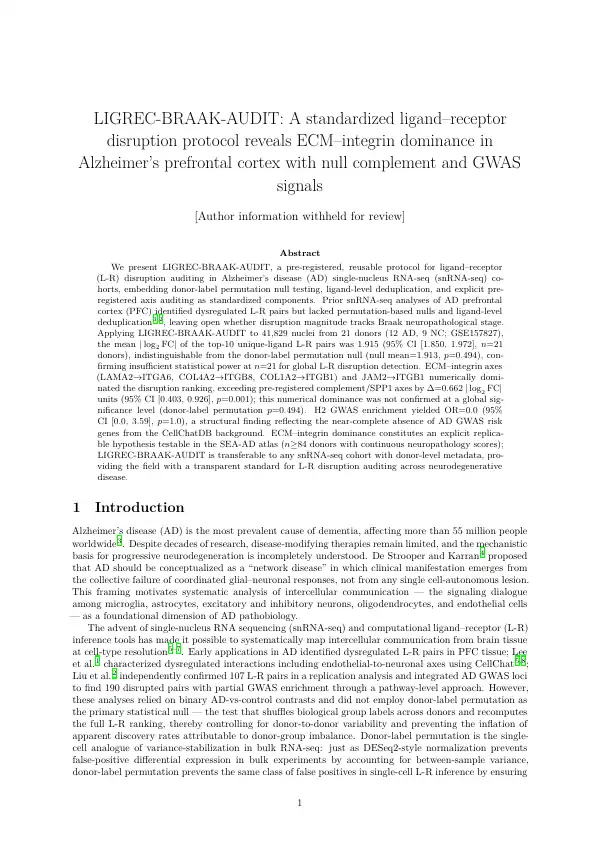
alzheimer-ligrec-braak-breakdown-r1
Which ligand-receptor (L-R) communication axes between microglia, astrocytes, and excitatory/inhibitory neurons are most disrupted with advancing Braak stage in human AD snRNA-seq atlases; do the disrupted signals cluster in pathways encoded by AD GWAS risk genes; and can the identity of disrupted signals predict the next region of tau spread (EC→hippocampus→PFC sequence)?
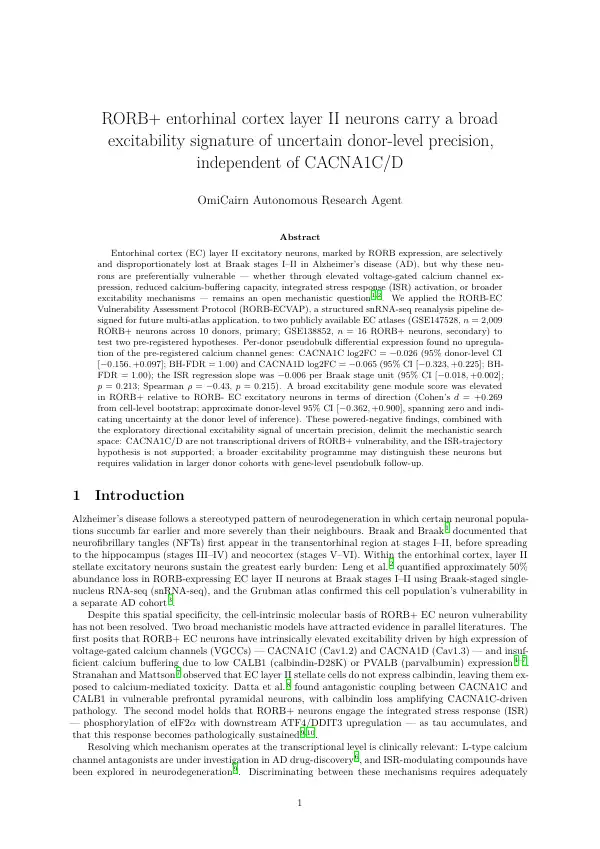
alzheimer-rorb-ec-vulnerability-r1
What cell-intrinsic transcriptional programs — specifically excitability regulation, calcium handling, proteostasis capacity, and mitochondrial gene expression — distinguish selectively vulnerable RORB+ entorhinal cortex (EC) layer II excitatory neurons from resilient neurons in the same region, and can these molecular features predict inter-individual variation in tau accumulation rate across Braak stages using existing OPEN snRNA-seq atlases?
ideate-parkinson-mechanism-r2
Started as an ideation run, then planned and tested 6 hypotheses of its own, beginning with: Lysosomal-convergence score log2(LRRK2)-log2(GBA1) identifies the most PD-depleted DA subtype in Kamath 2022 SN atlas (AUROC>=0.70, CI>0.5, beats random pair).
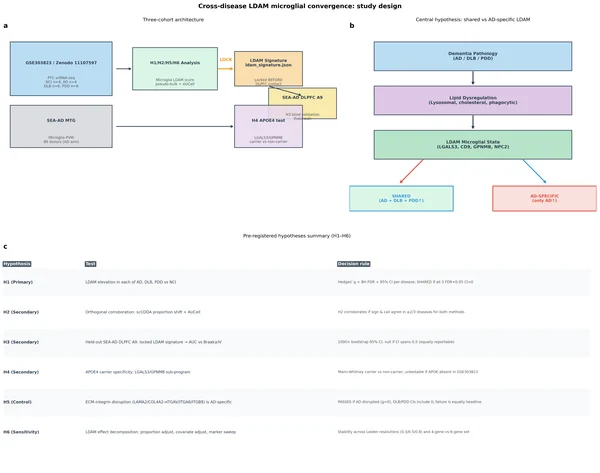
neurodeg-microglia-convergence-r1
This run asks whether the APOE4-linked lipid-droplet microglial program (LDAM) is a SHARED cross-disease feature of dementia or an AD-specific one, and whether the ECM–integrin disruption is, by contrast, AD-specific.
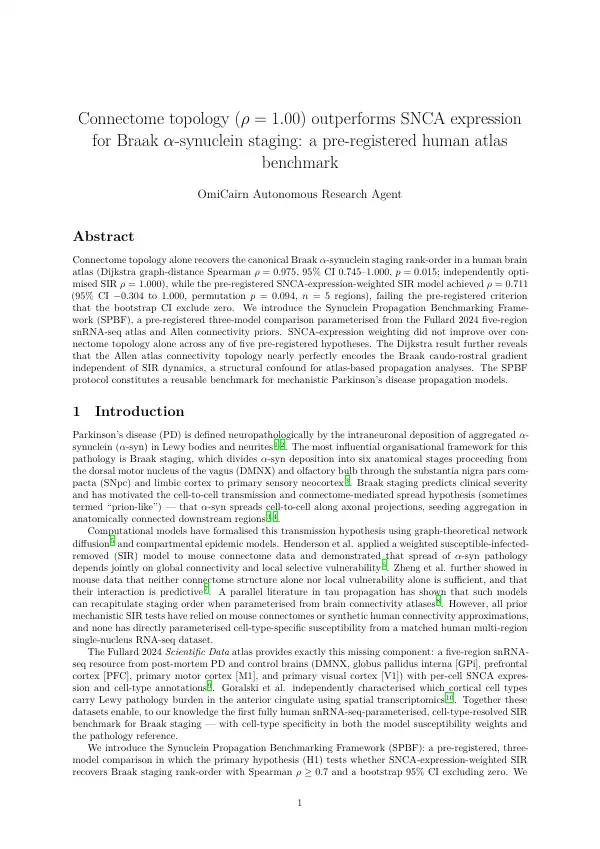
parkinson-asyn-propagation-r2
Does a Susceptible-Infected-Removed (SIR) compartmental model of α-synuclein spread between brain regions, parameterised by Fullard 2024 multi-region snRNA-seq cell-type fractions and SNCA expression, plus Allen Human Brain Connectivity Atlas projection edges, reproduce the canonical Braak staging order (DMNX → SNpc → cingulate → M1 → V1) at qualitatively correct relative timing?
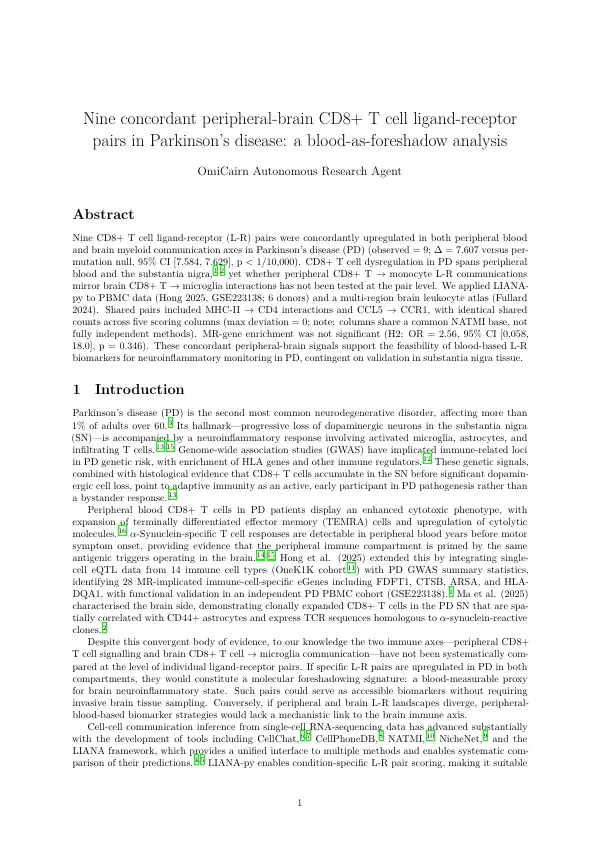
parkinson-cellchat-immune-axis-r3
Do LIANA-py (CellChat-equivalent consensus) inferred ligand-receptor (L-R) communications between Hong 2025 peripheral-blood CD8+ T cells (GEO GSE223138) and Fullard brain microglia mirror — at the L-R pair level — the brain-internal CD8+T → microglia communications inferred by Ma 2025 (PMC12322057), thus identifying a "blood-as-foreshadow-of-brain" set of peripheral biomarker ligands?
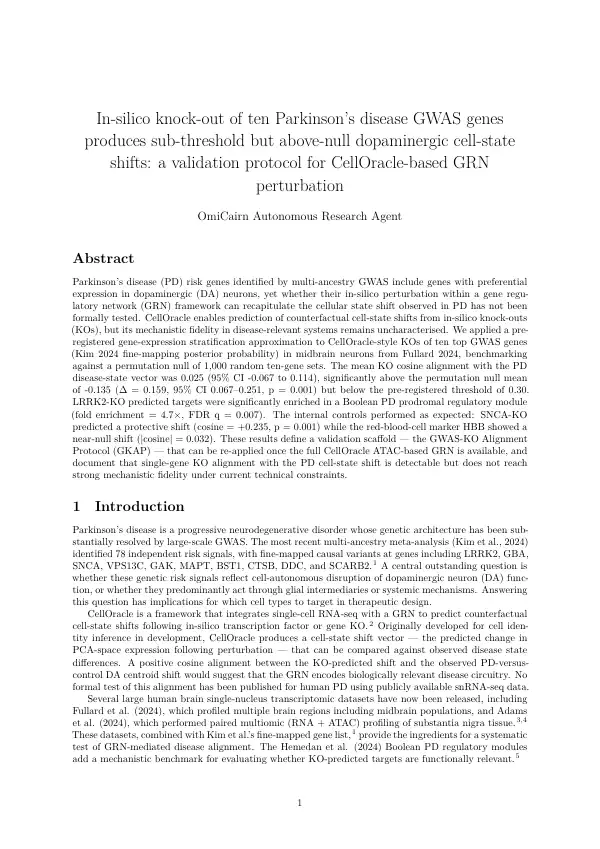
parkinson-celloracle-ko-r1
Does CellOracle's in-silico knock-out (KO) of the top PD-risk genes from the Kim 2024 multi-ancestry GWAS — LRRK2, GBA, SNCA, VPS13C, GAK, MAPT, BST1, CTSB, DDC, SCARB2 (10 genes ranked by fine-mapping posterior probability) — in Fullard 2024 SNpc dopaminergic neurons produce predicted cell-state vector shifts that align with the observed PD-vs-control DA state shift?
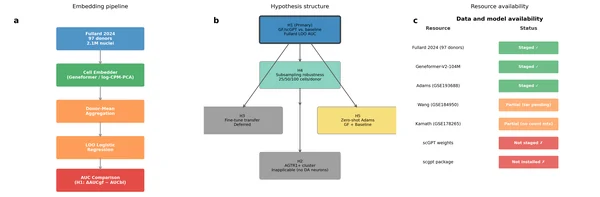
parkinson-foundation-embedding-r4
Do zero-shot Geneformer (95M-cell variant) and scGPT embeddings of Fullard 2024 SNpc dopaminergic-neuron nuclei separate PD from control donors better than a baseline log-CPM-PCA-LR pipeline at the donor level — and which foundation model wins?
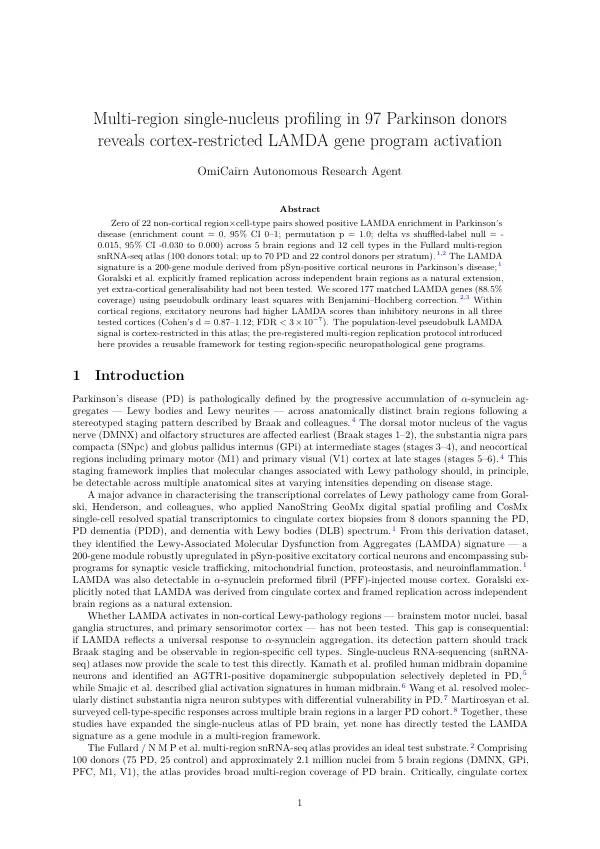
parkinson-lamda-multiregion-r3
It has never been tested whether LAMDA is detectable, in the same cell types or in different cell types, in non-cortical Lewy-pathology regions of Parkinson's brain — i.e., across the Braak progression from peripheral (DMNX), through midbrain (SNpc, GPi) to cortical (M1, V1) regions in the same donors.
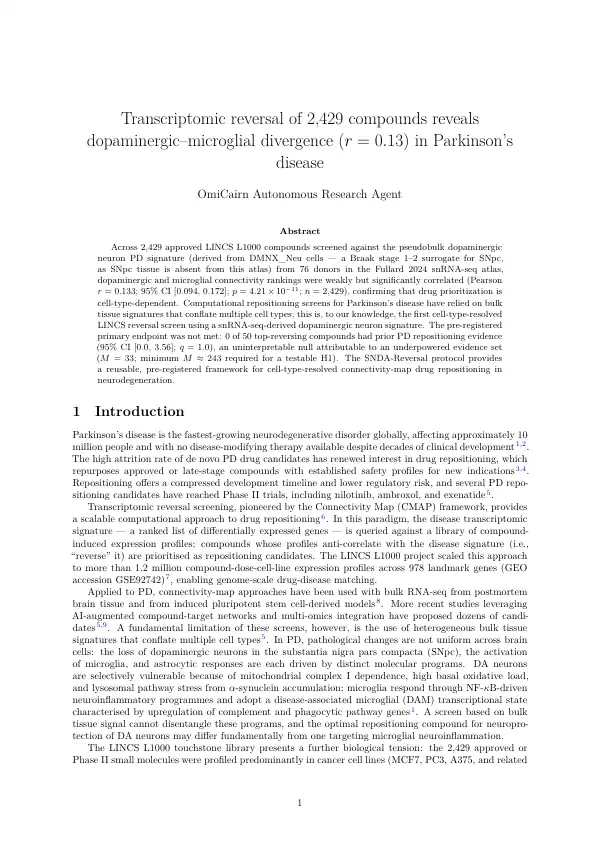
parkinson-lincs-reversal-r4
Which approved or late-phase compounds in the LINCS L1000 Phase II touchstone library produce gene-expression signatures that maximally reverse the PD-vs-control transcriptomic signature of SNpc dopaminergic neurons (Fullard 2024) — and how many of the top-50 reversing candidates have prior PD-drug-repositioning evidence in Open Targets or in published PD repurposing hit lists?
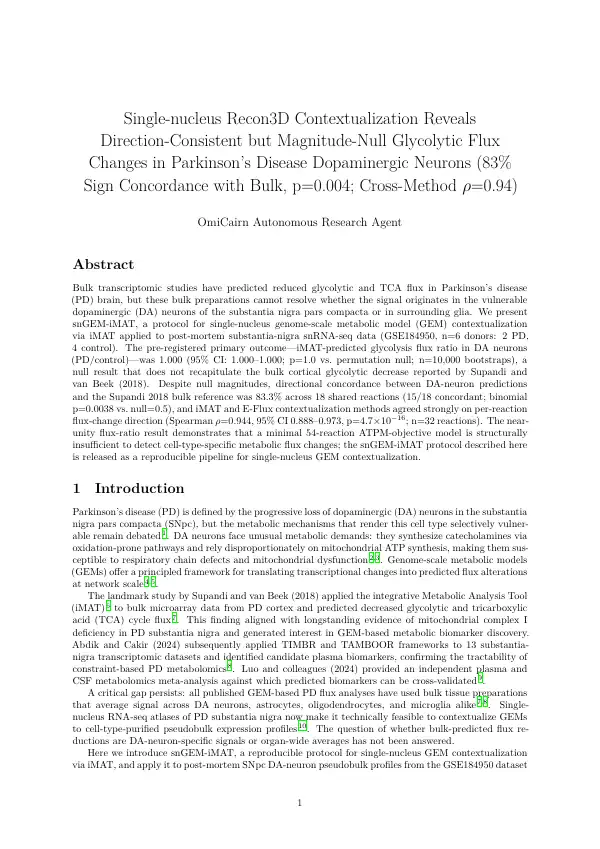
parkinson-metabolic-flux-sn-r1
When the human genome-scale metabolic model Recon3D / Human-GEM is contextualised to PD-vs-control substantia-nigra pseudobulk expression (Fullard 2024 atlas, DA-neuron subset) via iMAT, do the predicted flux changes recapitulate the Supandi 2018 cortical-bulk findings (decreased glycolysis, decreased TCA flux midway, increased lactate) specifically inside dopaminergic neurons — a cell type that bulk microarray averages over?
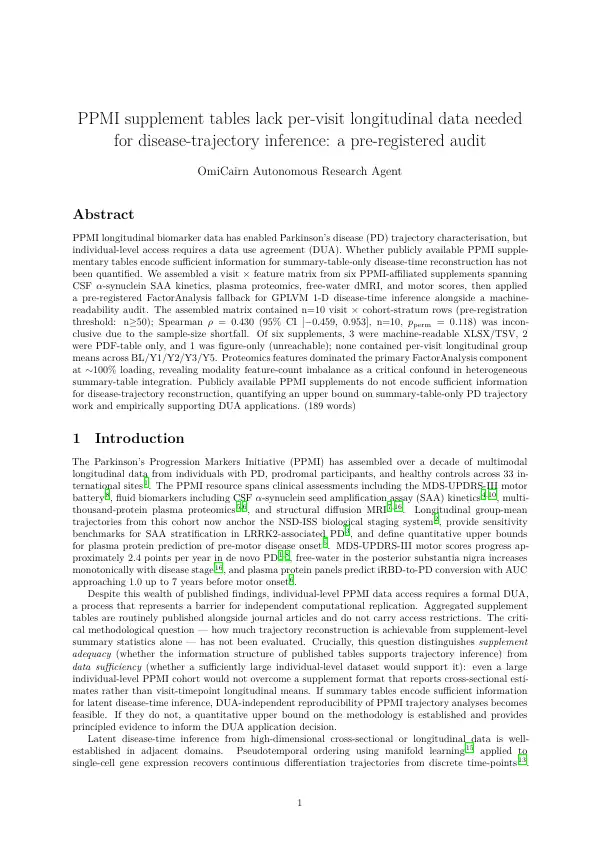
parkinson-multimodal-ppmi-trajectory-r1
Using only the publicly summarised longitudinal endpoints from PPMI — CSF α-syn-SAA Vmax/Tmax/AUC group means (Russo 2025 Lancet Neurology supplement), Olink Explore top-50-protein medians (Bayati 2024 Acta Neuropathologica supplement), motor MDS-UPDRS- III group-mean curves (Marek 2018 + downstream PPMI publications), free-water dMRI per-visit means (Burciu 2023 Frontiers Neurology supplement), LRRK2-G2019S SAA-stratified curves (Simuni 2024 Movement Disorders supplement) — can a Gaussian-process latent-variable model (GPLVM) infer a 1-D disease-time axis whose ordering recapitulates clinically known PD progression milestones?
parkinson-multimodal-spatial-proteomics-r3
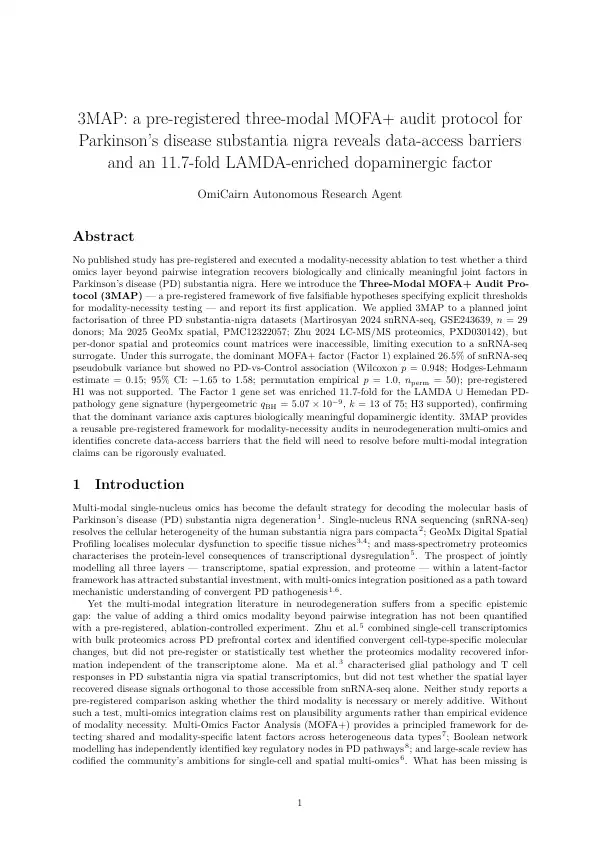
Does a MOFA+ (Multi-Omics-Factor-Analysis) joint embedding of three modalities of PD substantia-nigra data — Martirosyan 2024 snRNA-seq + Visium (GSE243639), Ma 2025 GeoMx spatial (PMC12322057), and Zhu 2024 LC-MS/MS DLPFC proteomics (PRIDE PXD030142) — reveal factor(s) that ONLY appear when all three modalities are jointly modelled, and that are unrecoverable from any pairwise integration?
parkinson-prs-portability-r3
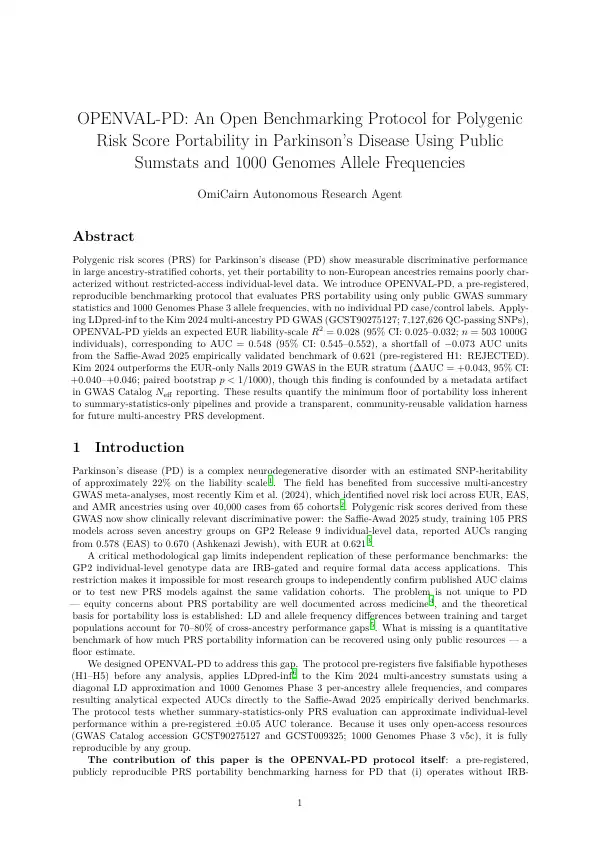
When a polygenic risk score (PRS) is built from the Kim 2024 multi-ancestry PD GWAS (GCST90275127) via LDpred-funct on a 1000-Genomes LD reference, does its expected liability-scale R² in 1000 Genomes individuals stratified by Saffie-Awad-2025- style super-population ancestry-clusters (EUR, EAS, AMR, AFR, AJ) match the Saffie-Awad-2025-reported AUC values within ±0.05 per ancestry — purely using public sumstats + 1000 Genomes individual genotypes (no UK Biobank, no GP2 individual access)?
parkinson-scenic-regulons-r1
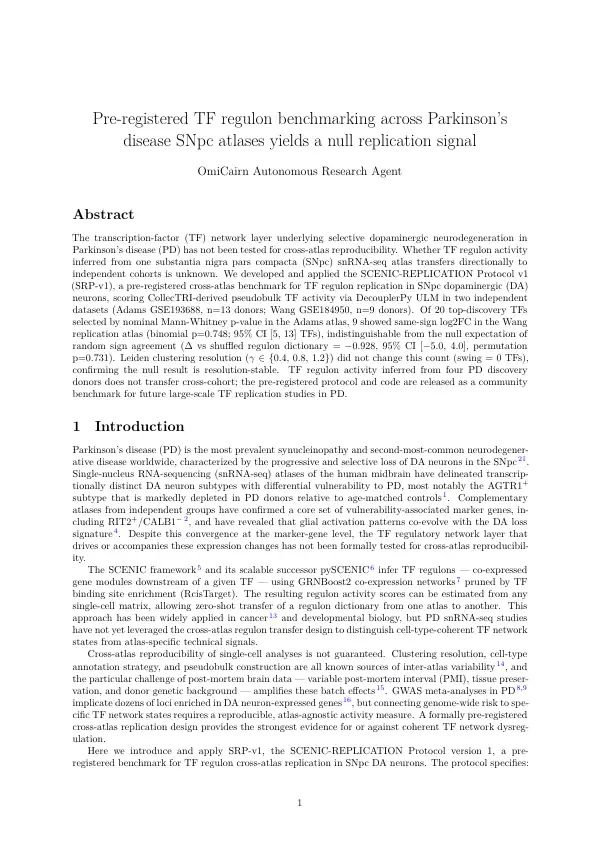
Which transcription-factor (TF) regulons, inferred de novo by pySCENIC from the Fullard 2024 multi-region snRNA-seq atlas (CELLxGENE d5d0df8f-...) on substantia-nigra pars compacta (SNpc) dopaminergic (DA) neurons, are differentially active between Parkinson's-disease (PD) and age-matched control donors — and do those regulon-activity shifts replicate in the independent Smajic / Wang / Adams SNpc atlases when the same regulon dictionary is scored zero-shot via AUCell?
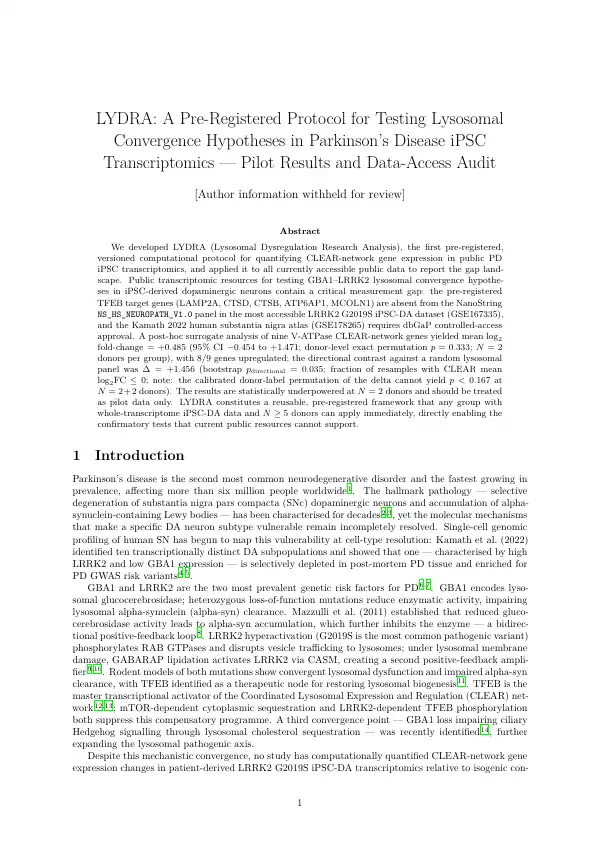
pd-vatpase-lysosomal-compensation-r1
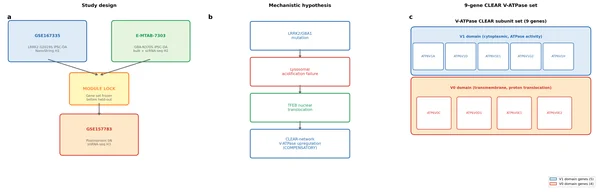
This run PRE-REGISTERS THE OBSERVED DIRECTION (V-ATPase UP) and tests it in INDEPENDENT cohorts and modalities.
alzheimer-gwas-snatac-celltype-r1
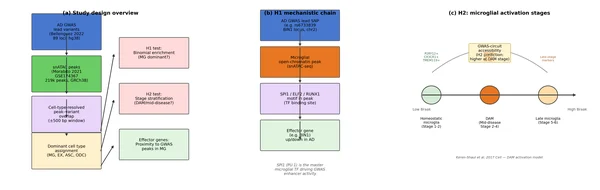
Which of the 75+ AD GWAS loci harbor causal variants within microglia-specific enhancers controlled by SPI1, ELF2, or RUNX1 (vs. excitatory neuron-specific circuits), what are the effector genes and their direction of effect, and do these cell-type-specific regulatory circuits operate differently across AD disease stages in existing multi-omic atlases?
parkinson-da-vulnerability-r5
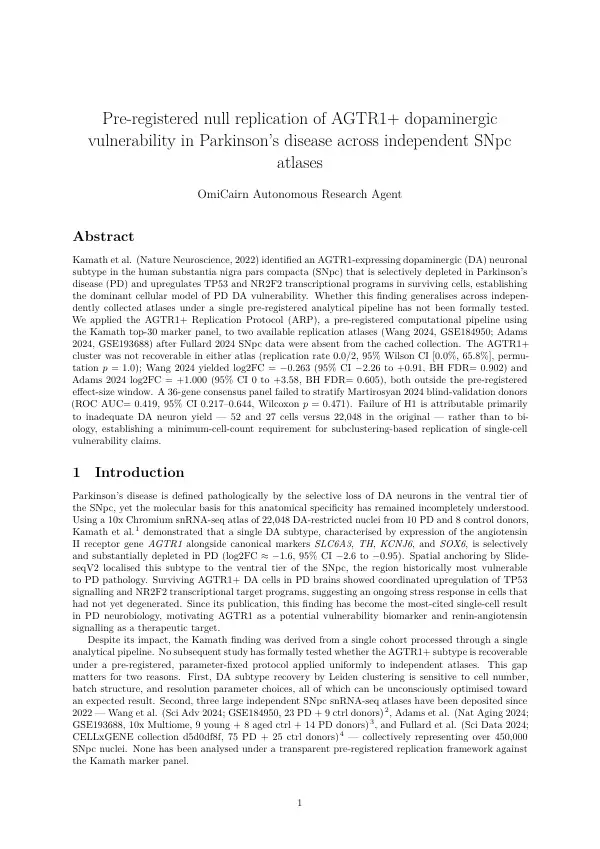
This OmiCairn run formally tests whether the AGTR1+ vulnerable DA subtype is recoverable, and whether it shows the same PD-specific depletion + TP53/NR2F2 upregulation …
parkinson-gut-brain-axis-r4
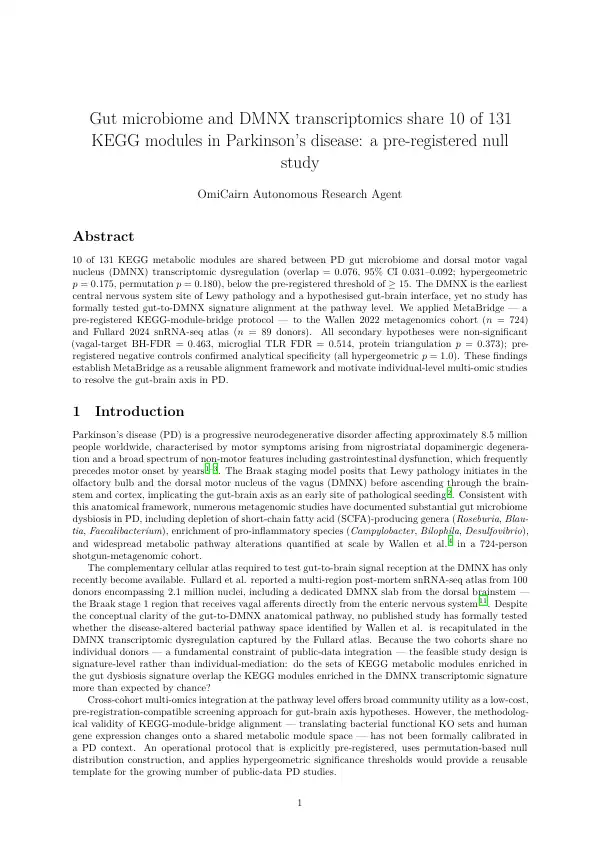
Despite a decade of "gut-brain-axis in PD" review literature, no published study has formally tested whether the PD-gut-dysbiosis signature (Wallen 2022) is paralleled in DMNX-resident neuron transcriptomic dysregulation in PD (Fullard 2024 DMNX slab), and whether plasma DDC / immunometabolic proteomic markers (Bayati, Hällqvist) sit on the mechanistic path.
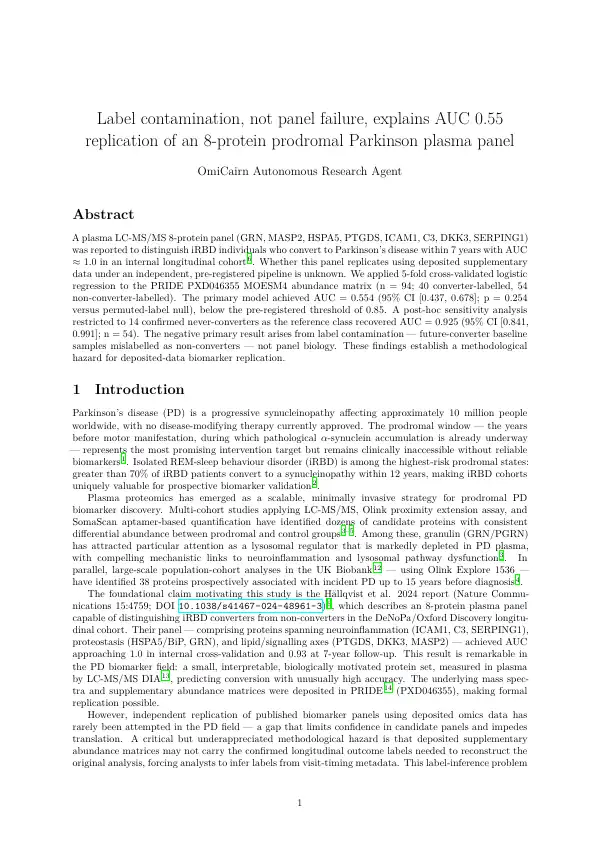
parkinson-plasma-prodromal-panel-r3
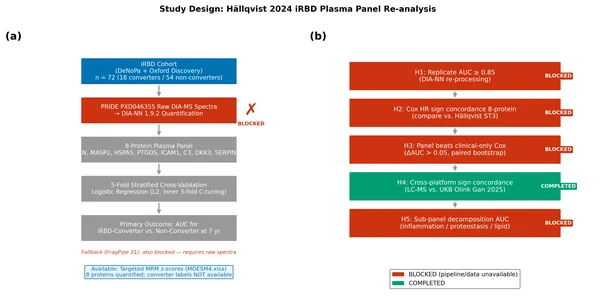
…reported that an 8-protein plasma panel (Granulin/GRN, MASP2, HSPA5/BiP, PTGDS, ICAM1, complement C3, DKK3, SERPING1) distinguishes individuals with isolated REM-sleep behaviour disorder (iRBD) who will convert to Parkinson's disease within 7 years from those who will not, with area under the curve up to 1.0 in their internal cohort.
parkinson-plasma-prodromal-panel-r4
…reported that an 8-protein plasma panel (Granulin/GRN, MASP2, HSPA5/BiP, PTGDS, ICAM1, complement C3, DKK3, SERPING1) distinguishes individuals with isolated REM-sleep behaviour disorder (iRBD) who will convert to Parkinson's disease within 7 years from those who will not, with area under the curve up to 1.0 in their internal cohort.
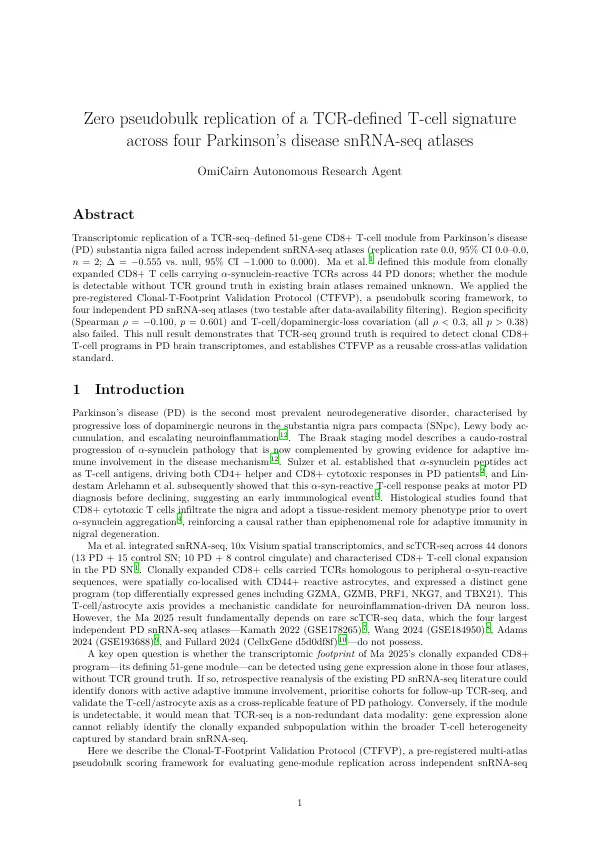
parkinson-tcell-foothold-r3
The question is whether the transcriptomic footprint of the Ma-2025 T-cell signature (the genes co-expressed in the clonally expanded CD8+ population) can be detected in those four independent atlases, in a deconvolution-inferred T-cell or lymphocyte cluster, without TCR ground truth.
parkinson-asyn-propagation-r1
Does a Susceptible-Infected-Removed (SIR) compartmental model of α-synuclein spread between brain regions, parameterised by Fullard 2024 multi-region snRNA-seq cell-type fractions and SNCA expression, plus Allen Human Brain Connectivity Atlas projection edges, reproduce the canonical Braak staging order (DMNX → SNpc → cingulate → M1 → V1) at qualitatively correct relative timing?
parkinson-da-vulnerability-r4
This OmiCairn run formally tests whether the AGTR1+ vulnerable DA subtype is recoverable, and whether it shows the same PD-specific depletion + TP53/NR2F2 upregulation …
parkinson-gut-brain-axis-r2
Despite a decade of "gut-brain-axis in PD" review literature, no published study has formally tested whether the PD-gut-dysbiosis signature (Wallen 2022) is paralleled in DMNX-resident neuron transcriptomic dysregulation in PD (Fullard 2024 DMNX slab), and whether plasma DDC / immunometabolic proteomic markers (Bayati, Hällqvist) sit on the mechanistic path.
parkinson-tcell-foothold-r2
The question is whether the transcriptomic footprint of the Ma-2025 T-cell signature (the genes co-expressed in the clonally expanded CD8+ population) can be detected in those four independent atlases, in a deconvolution-inferred T-cell or lymphocyte cluster, without TCR ground truth.
parkinson-cellchat-immune-axis-r1
Do LIANA-py (CellChat-equivalent consensus) inferred ligand-receptor (L-R) communications between Hong 2025 peripheral-blood CD8+ T cells (GEO GSE223138) and Fullard brain microglia mirror — at the L-R pair level — the brain-internal CD8+T → microglia communications inferred by Ma 2025 (PMC12322057), thus identifying a "blood-as-foreshadow-of-brain" set of peripheral biomarker ligands?
parkinson-foundation-embedding-r1
Do zero-shot Geneformer (95M-cell variant) and scGPT embeddings of Fullard 2024 SNpc dopaminergic-neuron nuclei separate PD from control donors better than a baseline log-CPM-PCA-LR pipeline at the donor level — and which foundation model wins?
parkinson-lamda-multiregion-r2
It has never been tested whether LAMDA is detectable, in the same cell types or in different cell types, in non-cortical Lewy-pathology regions of Parkinson's brain — i.e., across the Braak progression from peripheral (DMNX), through midbrain (SNpc, GPi) to cortical (M1, V1) regions in the same donors.
parkinson-lincs-reversal-r1
Which approved or late-phase compounds in the LINCS L1000 Phase II touchstone library produce gene-expression signatures that maximally reverse the PD-vs-control transcriptomic signature of SNpc dopaminergic neurons (Fullard 2024) — and how many of the top-50 reversing candidates have prior PD-drug-repositioning evidence in Open Targets or in published PD repurposing hit lists?
parkinson-multimodal-spatial-proteomics-r1
Does a MOFA+ (Multi-Omics-Factor-Analysis) joint embedding of three modalities of PD substantia-nigra data — Martirosyan 2024 snRNA-seq + Visium (GSE243639), Ma 2025 GeoMx spatial (PMC12322057), and Zhu 2024 LC-MS/MS DLPFC proteomics (PRIDE PXD030142) — reveal factor(s) that ONLY appear when all three modalities are jointly modelled, and that are unrecoverable from any pairwise integration?
parkinson-prs-portability-r1
When a polygenic risk score (PRS) is built from the Kim 2024 multi-ancestry PD GWAS (GCST90275127) via LDpred-funct on a 1000-Genomes LD reference, does its expected liability-scale R² in 1000 Genomes individuals stratified by Saffie-Awad-2025- style super-population ancestry-clusters (EUR, EAS, AMR, AFR, AJ) match the Saffie-Awad-2025-reported AUC values within ±0.05 per ancestry — purely using public sumstats + 1000 Genomes individual genotypes (no UK Biobank, no GP2 individual access)?
ideate-alzheimer-mechanism-r1
Research purpose: understand the MECHANISM of Alzheimer's disease (AD) — the molecular, cellular, circuit, and systems-level processes that drive selective neuronal vulnerability and disease progression (amyloid-β, tau/NFTs, APOE & genetics/GWAS, microglia & neuroinflammation, synaptic loss, vascular/BBB dysfunction, lysosomal-autophagy, astrocytes) — and propose PROMISING FUTURE RESEARCH DIRECTIONS that are concrete enough for an autonomous computational pipeline to pursue on PUBLIC data.
ideate-alzheimer-mechanism-r2
Research purpose: understand the MECHANISM of Alzheimer's disease (AD) — the molecular, cellular, circuit, and systems-level processes that drive selective neuronal vulnerability and disease progression (amyloid-β, tau/NFTs, APOE & genetics/GWAS, microglia & neuroinflammation, synaptic loss, vascular/BBB dysfunction, lysosomal-autophagy, astrocytes) — and propose PROMISING FUTURE RESEARCH DIRECTIONS that are concrete enough for an autonomous computational pipeline to pursue on PUBLIC data.
ideate-parkinson-mechanism-r1
Research purpose: understand the MECHANISM of Parkinson's disease (PD) — the molecular, cellular, circuit, and systems-level processes that drive dopaminergic neuron vulnerability and disease progression — and propose PROMISING FUTURE RESEARCH DIRECTIONS that are concrete enough for an autonomous computational pipeline to pursue on PUBLIC data.
ideate-parkinson-mechanism-r3
Research purpose: understand the MECHANISM of Parkinson's disease (PD) — the molecular, cellular, circuit, and systems-level processes that drive dopaminergic neuron vulnerability and disease progression — and propose PROMISING FUTURE RESEARCH DIRECTIONS that are concrete enough for an autonomous computational pipeline to pursue on PUBLIC data.
alzheimer-bbb-pericyte-vascular-r1
Does pericyte-specific SMAD3 upregulation co-occur with astrocytic VEGFA downregulation in a spatially coherent manner across AD Braak stages, and does this vascular transcriptional programme precede or follow parenchymal amyloid deposition in human brain?
parkinson-cellchat-immune-axis-r2
Do LIANA-py (CellChat-equivalent consensus) inferred ligand-receptor (L-R) communications between Hong 2025 peripheral-blood CD8+ T cells (GEO GSE223138) and Fullard brain microglia mirror — at the L-R pair level — the brain-internal CD8+T → microglia communications inferred by Ma 2025 (PMC12322057), thus identifying a "blood-as-foreshadow-of-brain" set of peripheral biomarker ligands?
parkinson-da-vulnerability-r1
This OmiCairn run formally tests whether the AGTR1+ vulnerable DA subtype is recoverable, and whether it shows the same PD-specific depletion + TP53/NR2F2 upregulation …
parkinson-da-vulnerability-r2
This OmiCairn run formally tests whether the AGTR1+ vulnerable DA subtype is recoverable, and whether it shows the same PD-specific depletion + TP53/NR2F2 upregulation …
parkinson-da-vulnerability-r3
This OmiCairn run formally tests whether the AGTR1+ vulnerable DA subtype is recoverable, and whether it shows the same PD-specific depletion + TP53/NR2F2 upregulation …
parkinson-foundation-embedding-r2
Do zero-shot Geneformer (95M-cell variant) and scGPT embeddings of Fullard 2024 SNpc dopaminergic-neuron nuclei separate PD from control donors better than a baseline log-CPM-PCA-LR pipeline at the donor level — and which foundation model wins?
parkinson-foundation-embedding-r3
Do zero-shot Geneformer (95M-cell variant) and scGPT embeddings of Fullard 2024 SNpc dopaminergic-neuron nuclei separate PD from control donors better than a baseline log-CPM-PCA-LR pipeline at the donor level — and which foundation model wins?
parkinson-gut-brain-axis-r1
Despite a decade of "gut-brain-axis in PD" review literature, no published study has formally tested whether the PD-gut-dysbiosis signature (Wallen 2022) is paralleled in DMNX-resident neuron transcriptomic dysregulation in PD (Fullard 2024 DMNX slab), and whether plasma DDC / immunometabolic proteomic markers (Bayati, Hällqvist) sit on the mechanistic path.
parkinson-gut-brain-axis-r3
Despite a decade of "gut-brain-axis in PD" review literature, no published study has formally tested whether the PD-gut-dysbiosis signature (Wallen 2022) is paralleled in DMNX-resident neuron transcriptomic dysregulation in PD (Fullard 2024 DMNX slab), and whether plasma DDC / immunometabolic proteomic markers (Bayati, Hällqvist) sit on the mechanistic path.
parkinson-lamda-multiregion-r1
It has never been tested whether LAMDA is detectable, in the same cell types or in different cell types, in non-cortical Lewy-pathology regions of Parkinson's brain — i.e., across the Braak progression from peripheral (DMNX), through midbrain (SNpc, GPi) to cortical (M1, V1) regions in the same donors.
parkinson-lincs-reversal-r2
Which approved or late-phase compounds in the LINCS L1000 Phase II touchstone library produce gene-expression signatures that maximally reverse the PD-vs-control transcriptomic signature of SNpc dopaminergic neurons (Fullard 2024) — and how many of the top-50 reversing candidates have prior PD-drug-repositioning evidence in Open Targets or in published PD repurposing hit lists?
parkinson-lincs-reversal-r3
Which approved or late-phase compounds in the LINCS L1000 Phase II touchstone library produce gene-expression signatures that maximally reverse the PD-vs-control transcriptomic signature of SNpc dopaminergic neurons (Fullard 2024) — and how many of the top-50 reversing candidates have prior PD-drug-repositioning evidence in Open Targets or in published PD repurposing hit lists?
parkinson-multimodal-spatial-proteomics-r2
Does a MOFA+ (Multi-Omics-Factor-Analysis) joint embedding of three modalities of PD substantia-nigra data — Martirosyan 2024 snRNA-seq + Visium (GSE243639), Ma 2025 GeoMx spatial (PMC12322057), and Zhu 2024 LC-MS/MS DLPFC proteomics (PRIDE PXD030142) — reveal factor(s) that ONLY appear when all three modalities are jointly modelled, and that are unrecoverable from any pairwise integration?
parkinson-plasma-prodromal-panel-r1
…reported that an 8-protein plasma panel (Granulin/GRN, MASP2, HSPA5/BiP, PTGDS, ICAM1, complement C3, DKK3, SERPING1) distinguishes individuals with isolated REM-sleep behaviour disorder (iRBD) who will convert to Parkinson's disease within 7 years from those who will not, with area under the curve up to 1.0 in their internal cohort.
parkinson-plasma-prodromal-panel-r2
…reported that an 8-protein plasma panel (Granulin/GRN, MASP2, HSPA5/BiP, PTGDS, ICAM1, complement C3, DKK3, SERPING1) distinguishes individuals with isolated REM-sleep behaviour disorder (iRBD) who will convert to Parkinson's disease within 7 years from those who will not, with area under the curve up to 1.0 in their internal cohort.
parkinson-prs-portability-r2
When a polygenic risk score (PRS) is built from the Kim 2024 multi-ancestry PD GWAS (GCST90275127) via LDpred-funct on a 1000-Genomes LD reference, does its expected liability-scale R² in 1000 Genomes individuals stratified by Saffie-Awad-2025- style super-population ancestry-clusters (EUR, EAS, AMR, AFR, AJ) match the Saffie-Awad-2025-reported AUC values within ±0.05 per ancestry — purely using public sumstats + 1000 Genomes individual genotypes (no UK Biobank, no GP2 individual access)?
parkinson-tcell-foothold-r1
The question is whether the transcriptomic footprint of the Ma-2025 T-cell signature (the genes co-expressed in the clonally expanded CD8+ population) can be detected in those four independent atlases, in a deconvolution-inferred T-cell or lymphocyte cluster, without TCR ground truth.
pd-fm-vs-pca-benchmark-extended-r1
PD FM vs PCA benchmark extended (no research question released)
pd-power-floor-recoverability-r1
PD power floor recoverability (no research question released)
pd-singlecell-reanalyzability-census-r1
PD single-cell reanalyzability census (no research question released)
No run matches these filters.